Dolomite vs quartzite is one of the most common questions we hear from homeowners who want a white, marble-like look without marble’s reputation. Both stones can show soft gray veining on a bright background. Both get called “the durable alternative to marble.” But they’re very different rocks, and that difference shows up in your kitchen within the first year.
Here’s how they compare on hardness, etching, and upkeep. We’ll also cover two easy tests you can do before you commit to a slab.
What Dolomite and Quartzite Actually Are
Quartzite starts life as sandstone. Heat and pressure fuse its quartz grains into a dense, crystalline stone. The result is mostly quartz, one of the hardest common minerals on earth.
Dolomite is a carbonate stone, close kin to marble. It forms when magnesium replaces part of the calcium in limestone. In the slab world, you’ll often see it labeled “dolomitic marble” or simply dolomite.
That chemistry is the whole story. Quartzite is silica-based, so it shrugs off kitchen acids. Dolomite is carbonate-based, so it reacts with them, just more slowly than calcite marble does.
Dolomite vs Quartzite: Hardness and Scratch Resistance
On the Mohs scale, quartz rates a 7. Dolomite sits around 3.5 to 4. In practical terms, a true quartzite resists knife scratches and won’t mark easily under pots. Dolomite holds up better than many softer marbles, but a steel blade can still scratch it.
Does that make dolomite a poor choice? Not at all. It just means you should match the stone to how you cook. A busy family kitchen with lots of chopping straight on the counter favors quartzite. A bathroom vanity, a bar top, or a lightly used perimeter counter gives dolomite plenty of room to shine.
Fabrication is another dolomite vs quartzite difference. Quartzite is tougher to cut and polish, so fabricators slow down their tooling to get clean edges. Dolomite cuts more easily, which helps on detailed edge profiles and complex cutouts.
Etching, Staining, and Everyday Upkeep
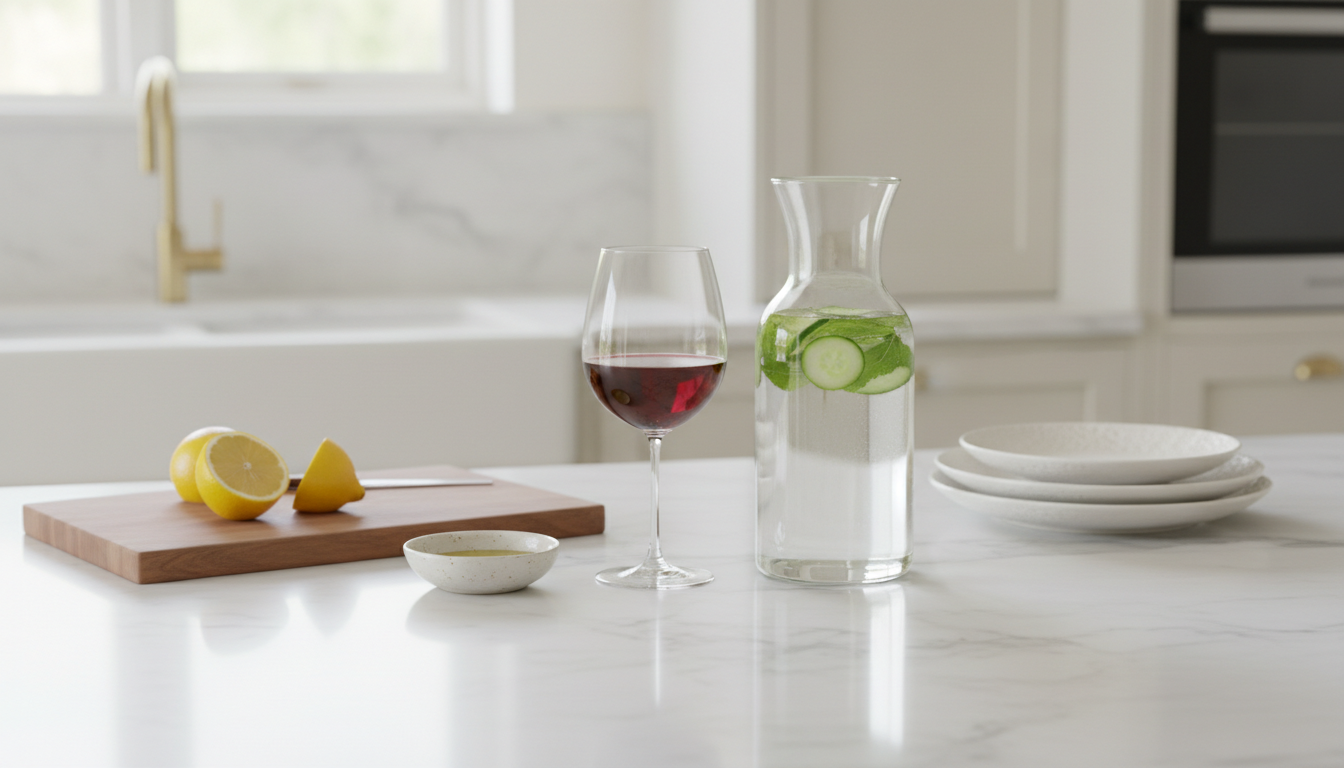
Etching is the dull spot an acid leaves behind. Lemon juice, vinegar, tomato sauce, and wine are the usual suspects. It isn’t a stain; it’s a light chemical burn on the polished surface.
Quartzite doesn’t etch from household acids. That’s its biggest advantage in the dolomite vs quartzite debate.
Dolomite does etch, though more slowly than calcite marble. On a polished slab, the marks look like faint watermarks. On a honed finish, they blend in far better. Many homeowners who choose dolomite go honed for exactly that reason.
Both stones are natural and porous to some degree, so both benefit from a quality impregnating sealer. Sealing helps against stains. It does nothing against etching, since etching is a reaction with the stone itself. Wipe up acidic spills quickly, use a pH-neutral cleaner, and both surfaces will age gracefully. If upkeep is your top concern, our post on the lowest-maintenance countertop options compares the whole field.
Dolomite vs Quartzite: Look and Feel
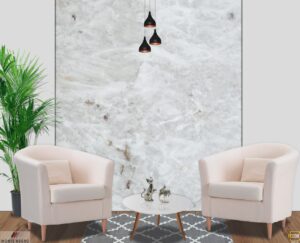
On looks, dolomite vs quartzite is a closer contest than you’d expect. Dolomite tends toward a softer, creamier white with gentle gray movement. It often reads very close to classic Italian marble. A great example is Michelangelo Arabescato Dolomite, with its dramatic gray veining on a luminous white ground.
Quartzite covers a wider color range. You’ll find crisp whites, soft taupes, blues, greens, and warm golds. Its surface often has a glassy, crystalline depth that catches light differently from dolomite. Browse our quartzite countertops to see how varied the family really is.
A quick rule of thumb from our showroom floor:
- Choose dolomite if you want a true marble look, a softer white, and you’re comfortable with a lived-in patina.
- Choose quartzite if you want maximum durability with natural stone character, especially on a high-traffic island.
How to Tell Dolomite and Quartzite Apart Before You Buy
Here’s the catch in any dolomite vs quartzite comparison. Stone names in the trade aren’t always accurate. Some slabs sold as “soft quartzite” are actually dolomite or marble. The Natural Stone Institute is blunt about it in its stone identification tips: there’s really no such thing as soft quartzite.
Two simple tests settle the question. Ask for a sample or an offcut first.
- The glass scratch test. Drag a sharp corner of the stone across a glass tile with firm pressure. True quartzite scratches glass. Dolomite and marble won’t.
- The acid test. Put a few drops of lemon juice or vinegar on a polished area and wait several minutes. Wipe it off and look at the surface at an angle. A dull mark means a carbonate stone. Dolomite may take longer to react than marble, so be patient.
Your supplier should welcome these questions. We’re always happy to talk through a stone’s makeup before you reserve a slab.
Dolomite vs Quartzite by Room
Let’s put it all together, room by room.
Kitchen island or main prep counter. Quartzite wins on scratch and etch resistance. If you love dolomite here, choose a honed finish and accept a softer, evolving surface.
Bathroom vanity. Both work beautifully. Toiletries can etch dolomite, so use trays for perfumes and cleansers.
Shower walls and tub surrounds. Both are good choices with proper sealing. Avoid acidic or abrasive bathroom cleaners on dolomite.
Fireplace surround or feature wall. This is dolomite’s sweet spot. Low wear, high visual impact, and a true marble look.
Bar tops. Quartzite handles citrus and cocktails without flinching. Dolomite works if you’re diligent about wiping spills.
Choosing Between Them With Confidence
The dolomite vs quartzite decision comes down to one question: how much patina are you comfortable with? Quartzite gives you durability and resistance to almost everything a kitchen throws at it. Dolomite gives you that soft, timeless marble feel with better toughness than many marbles. Neither is the wrong answer when it’s matched to the right room.
The best way to decide is to see full slabs in person. Lighting, veining, and finish all look different at full scale than in a photo. Explore our stone gallery to start a shortlist, then contact our team to schedule a showroom visit. We’ll walk you through both stones side by side.
Frequently Asked Questions
Is dolomite harder than quartzite? No. Quartzite is much harder. Quartz rates a 7 on the Mohs scale, while dolomite rates roughly 3.5 to 4. Dolomite is often tougher than many softer marbles, but it can’t match true quartzite.
Does dolomite etch like marble? Yes, but more slowly. Dolomite is a carbonate stone, so acids like lemon juice and vinegar can leave dull marks. A honed finish hides etching better than a polished one.
Is dolomite a good choice for kitchen countertops? It can be. Dolomite works well for homeowners who want a marble look and don’t mind some patina. For a heavily used prep surface, quartzite is the more forgiving choice.
What is “soft quartzite”? It’s a trade label that usually means the stone is actually dolomite or marble. A glass scratch test and an acid test will show you which stone you’re really buying.
Do dolomite and quartzite need sealing? Both are natural stones and benefit from a quality impregnating sealer to reduce staining. Sealing doesn’t prevent etching on dolomite, since etching is a chemical reaction with the stone.